 English £
 Deutsch EUR €
 French EUR €
 Italia EUR €
 Espana EUR €
 English USD $
 English EUR €


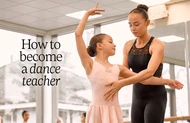
How To Become A Dance Teacher
By Move Dance on 24th Aug 2026
Have you always dreamed of turning your passion for dance into a career? Becoming a dance teacher allows you to share your love of movement while helping others build their knowledge, confidence, and technique. But where do you start? From choosing your dance style to gaining the right teaching qualifications, we are here to help you discover the steps to start your journey into dance teaching.
What does a dance teacher do?
Teaching dance is about much more than simply knowing how to dance. A dance teacher helps students develop their technique, confidence, performance skills, and creativity, while creating a positive and supportive environment to learn in.
Dance teachers need to have excellent social and communication skills to be able to connect with students of all ages and adapt their teaching to suit different abilities and learning styles. Their responsibilities can vary from planning lessons, demonstrating choreography and critiquing technique to communicating with parents and promoting classes. Depending on the dance style and where they teach, they may also be responsible for preparing students for performances, dance exams and competitions.
The best dance teachers combine their knowledge and experience with plenty of patience, helping to inspire and encourage the next generation of dancers.
Choose your dance style
One of the first things to consider when becoming a dance teacher is which style of dance you want to teach. Think about the style you are most passionate about, have the most experience in and would like to pursue further. Whether it’s ballet , jazz , tap or ballroom, specialising in one style can help you decide which qualification is right for you.
It’s also important to remember that qualifying in one particular style doesn’t mean you’re limited to teaching that style forever. While your qualification may focus on one discipline, it may also allow you to teach other styles. As you gain more teaching experience, you can continue to develop your skills and explore new styles throughout your career.
Get the right qualifications and experience
Before jumping straight into gaining a qualification, it’s a good idea to get some experience first. Volunteering as a teaching assistant in children’s classes can be a great way to see if you enjoy teaching, get to know the students and pick up tips from more experienced teachers. It also gives you a better idea of what to expect before committing to a teaching qualification.
Once you’re confident that teaching is for you, the next step is to look at which qualification is right for you. There are several routes into becoming a qualified dance teacher, depending on your chosen dance style and where you would like to teach. From recognised teaching qualifications to higher education courses, the best option will depend on your goals, experience and the type of teaching you want to pursue.
If you have a particular teaching role in mind, it’s worth checking the requirements beforehand. For example, some dance schools may follow a specific syllabus, while teaching in a formal school setting may require additional teaching qualifications such as a PGCE.
Dance teaching qualifications to consider
ISTD qualifications- The Imperial Society of Teachers of Dancing offers recognised qualifications across a range of dance styles.
RAD qualifications- The Royal Academy of Dance offers ballet teacher training and qualifications.
IDTA qualifications- The International Dance Teachers’ Association offers teaching qualifications across a variety of dance styles.
NATD qualifications- The National Association of Teachers of Dancing offers teaching qualifications in a variety styles including ballroom, Latin American, theatre and freestyle.
Degree or higher education courses- Dance or Performing Arts degrees can provide broader training in performance, choreography and teaching.
Other qualifications and checks to consider
Alongside your dance teaching qualification, some additional courses and checks may be required, particularly if you plan to work with children.
Paediatric First Aid – Particularly useful when working with children and often required by dance schools or childcare settings.
Safeguarding Children training – Helps teachers understand how to recognise and respond to safeguarding concerns.
Enhanced DBS check – Commonly required when working with children or vulnerable people in the UK. This is a background check rather than a qualification.
Start your career as a dance teacher
Once you’ve gained some experience and the necessary qualifications, it’s time to start looking for teaching opportunities. Many dance teachers go on to teach at the dance school where they first assisted, gradually taking on their own classes. However, if that isn’t your route, don’t worry. There are plenty of other ways to find teaching opportunities in your local area. Try contacting local schools, community centres, gyms and dance studios directly to see if they have any vacancies.
Building connections within the dance community is another great way to hear about opportunities, as you never know when a teacher or studio may be looking for cover or a new member of their team. As you gain more experience and confidence, you may choose to take on more classes or even offer private lessons.
From choosing the right qualifications to teaching your very first class, every dance teacher’s journey will look a little different. Whether your passion is contemporary, Irish dance or something else, with dedication and a genuine love for what you do, you can build a rewarding career in dance teaching. Keep learning, developing your skills and, most importantly, sharing your passion to inspire the next generation of dancers.
Thanks for reading;
Move Dance