 English £
 Deutsch EUR €
 French EUR €
 Italia EUR €
 Espana EUR €
 English USD $
 English EUR €


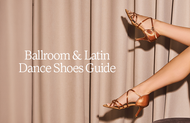
Ballroom & Latin Dance Shoes Guide: How to Find Your Perfect Pair
By Lucy Frith on 29th Sep 2026
Finding the right pair of ballroom or Latin dance shoes can completely transform your performance. Whether you're taking part in your very first beginner class or preparing for competition season, the right shoe provides the perfect balance of confidence, stability and flexibility.
Unlike everyday street shoes or high heels, ballroom and Latin heels and shoes are made to support dynamic movement and extended foot lines, cushion high-impact pivots and give you control over the dance floor.
Here is everything you need to know to select, fit and care for your ideal pair of ballroom and Latin shoes.
Ballroom & Latin Dance Shoes Guide: How to Find Your Perfect Pair
Women’s Ballroom & Latin Shoes: Key Features & Styles
At first glance, Latin dance shoes and ballroom heels might look like standard high heels but to a dancer, they perform completely differently.
Women’s ballroom shoes prioritise both style and function. Most quality pairs feature extra cushioning around the ball of the foot (where pressure concentrates during spins and turns) along with flexible suede soles that allow you to articulate your feet smoothly.
Style & Color: Practice vs. Competition
While there’s no strict rule book on colors, industry standards depend on whether you are rehearsing or competing:
- Ballroom Competitions: Closed-toe shoes are the traditional standard. The closed toe protects your feet from accidental steps by your partner, while a nude or tan shade extends the visual line of your leg.
- Latin Competitions: Strappy open-toe sandals (or peep-toe shoes for added security) are preferred, allowing maximum ankle articulation and toe extension.
*Always check the rules provided by the competition for regulations on shoes and costume by age and category.
- General Social Dancing & Personality: Choose whatever shade suits your wardrobe. While aesthetics boost confidence, prioritize fit and support above all else.
Understanding Shoe Materials
- Satin: The gold standard for competitions. Satin offers a sleek, glamorous finish, but it scuffs easily. Save your satin pairs for performance days.
- Leather & Canvas: Ideal for daily rehearsals and social dancing. These materials are durable, easy to clean, and hold up well to frequent wear.
Ballroom Heels Buckles, Straps, and Fastenings
Securing your foot properly prevents slippage and blisters. Dancers generally choose between three main types of fastenings:
- Traditional Buckles: Classic, adjustable pin buckles.
- Quick-Release Speed Buckles: Feature a faux-buckle aesthetic on an adjustable slider with a hidden hook or press-stud, allowing you to pop your shoes on and off in seconds between quick changes.
- T-Bar Straps: Add a sophisticated, classic aesthetic while providing extra vertical stability across the top of the foot.
How to Choose the Right Ballroom Heel Height
Heel heights range from 1.5 inches to 3.5 inches. Choosing the right height depends on your experience level, dance style, and comfort.
|
Heel Type |
Best For |
Benefits |
|
Cuban / Low Heel (1.5") |
Beginners, practice sessions, children’s ballroom shoes |
Maximum stability, stable wide base, reduces foot strain, adds subtle height. |
|
Mid Heel (2" – 2.5") |
Intermediate dancers, standard ballroom |
Ideal balance of posture, clean foot lines, elevation and balance. |
|
High Heel (3" – 3.5") |
Advanced dancers, Latin competitions |
Accentuates hip action and creates a long leg line. Showcases footwork technique. |
|
Practice Brogues & Dance Sneakers |
Long rehearsals, teaching |
Comfort and high-impact cushioning. |
*Pro Tip: If you are buying your first pair, select a heel height similar to what you wear comfortably in everyday life. Forcing yourself into a higher heel too soon can cause stumbles, compromise your technique and potentially cause injury.
Men’s Ballroom & Latin Shoes: What You Need to Know
Men’s ballroom shoes are straightforward to select, but choosing between a Ballroom or Latin heel depends on your primary dance style.
Heel Heights for Men
- Ballroom Heels (1"): Similar to a standard dress shoe heel. Flat, stable, and designed for smooth gliding movements.
- Latin Heels (1.5" – 2" Cuban Heel): Higher elevation helps push weight forward onto the balls of the feet to accentuate pitch, hip action, and rapid footwork.
Budget Tip: If you do both styles on a budget, choose a Ballroom shoe. You can easily dance Latin in a low ballroom heel, but doing smooth ballroom movement in a higher Latin heel can hinder proper heel leads.
Practice vs. Competition Shoes
- Patent Leather: Glossy and sleek, reserved for black-tie competitions and showcases.
*Pro Tip: Apply a tiny dab of Vaseline to the inner sides of patent shoes to prevent them from sticking and scraping together when your feet pass.
- Matte Leather / Canvas: Durable, soft, and breathable for practice sessions.
Getting the Perfect Ballroom Shoe Fit
A ballroom shoe should fit like a glove: snug, supportive, and without excess room in the shoe.
- No Gaps: Your heel should sit flush against the back of the shoe without slipping out.
- Toe Placement: For open-toe shoes, your toes should reach the edge of the sole without hanging over. For closed-toe shoes, your toes should lie flat, never curled or squeezed inside the shoe.
- Sizing: For beginners, order your standard street shoe size first, as dance shoes will naturally stretch slightly as the leather or inner lining breaks in. Advanced dancers typically will size down by half a shoe size to account for stretching and increase the lifespan of their shoes.
Why Suede Soles Matter (And How to Maintain Them)
Suede sole dance shoes provide the unique balance of traction and slip needed to spin cleanly without sliding out of control.
Suede Sole Care Tips:
- Use a Wire Suede Brush: Over time, dance floor wax and dirt flatten the suede, making soles slick. Gently scrape a wire shoe brush across the sole to restore its rough, grippy texture.
- Avoid Water and Outdoors: Never wear suede-soled shoes outside. Moisture ruins suede permanently. Pavement and tarmac can rip and tear the soles.
- Sole Replacement: If your soles wear down completely, a local cobbler can easily glue a replacement suede sole, damaged buckles/straps and worn heel caps onto your favorite pair to extend their life.
Thanks for reading!
Move Dance